Decoding Bryophytes: Earth’s Green Carpet  

Meet the Bryophytes Whilst many of us are familiar with the fungi, bryophytes often go unnoticed. This ancient class of non-vascular plants is made up of three contenders – mosses, liverworts and hornworts. Forming soft green layers upon the forest floor, rocks and tree trunks, these species are vital to building and maintaining a healthy ecosystem. However, due to their size, and subtle morphological features, species recognition has long been a challenge.   Consisting of over 20,000 species, it’s no wonder bryophytes can be hard to differentiate! DNA barcoding allows accurate species-level identification, with only the smallest amount of sample. It opens a new window of opportunity for foragers and scientists alike to delve deeper into the world of bryophytes. Calypogeia muellerina under a microscope, by Loup-Anne via Wikimedia Commons, CC-BY-4.0 Liverworts, Hornworts and Mosses These plants thrive where others cannot, colonizing a range of environments from bare rock to lush forest. Bryophytes are involved in primary succession and initiation of ecosystems, so must be hardy enough to survive in challenging conditions – see our earlier blog post on mosses and lichens to learn more about this! Liverwort Marchantia...
Read More

Protect our Pollinators: Identifying the UK’s Bee Populations

The Humble Bee The UK is home to more than 250 species of bee, ranging from honeybees to bumblebees and the lesser-known solitary bees. Together they play an essential role in the maintenance of biodiversity and functioning of our ecosystems. Unfortunately, a combination of habitat loss, pesticides and climate change are contributing to the startling decline in our bee populations.  Understanding the humble bee’s role in our world is paramount to their protection. With such a diversity of species comes a wide range of specialities. However, many species appear remarkably similar, making it near impossible to differentiate between them. This is where species identification becomes crucial, allowing us to understand which species are present, and how to best protect them. Become the Bee's Knees in Species ID... Bumblebees, like Bombus terrestris are the classic fluffy fliers you know and love. With their thick fur coat they can fly in cooler, low light conditions. For this reason, they can kick-start pollination in early spring, when many species are not yet active. Bumblebees carry out pollination across wildflowers, and a few crops, but their special...
Read More

Mini Architects: The Hidden Importance of Lichens and Mosses 

Hidden Heroes Lichens and mosses make up some of the lesser noticed details of the forest. Growing quietly on stone walls, tree bark and exposed rock, they occupy a large range of ecological niches, supporting the ecosystem in some very unexpected ways. Acting as keystone species, entire ecosystem health can rely upon them, with removal having catastrophic effects.   Despite sharing morphological similarities and harmoniously growing side by side, these two organisms are very different, making species much trickier than it seems.  Both life forms play a pivotal role in primary succession, the earliest stage of ecosystem formation. Lichens break down rocks through chemical and physical means, this creates the first layers of soil in otherwise barren landscapes. This thin substrate is then colonised by mosses, stabilising and enriching conditions, encouraging new species to establish.   Lichens Despite appearing as a single organism, lichens are a partnership between a fungus and a photosynthetic partner. The latter is usually a cyanobacteria or green algae. The thallus is the main body of the lichen, made mostly of the fungus, whilst the sugar-producing partner provides food.   Many lichens belong to the Ascomycota phylum and can be classified according to their fungal partner. This...
Read More

Fruiting Through the Seasons: An Annual guide to Nature’s Wild Fungi

Summer Fungi Temperature increases and warm rains encourage a new cohort of fungi to emerge. Unlike Spring fungi, summer fungi have wider fruiting windows and many appear intermittently throughout the season.  Summer brings long, sunny days, meaning trees are in peak photosynthetic activity. For mycorrhizal fungi this is good news, hence why a vast proportion of this season’s species are. With sugar production and transportation reaching new highs, an elevated level of underground activity can be supported, with fungi bursting out across the woodland floor.   Summer fungi, such as the well-known Chanterelles (Cantharellus cibarius), aid trees in these elevated temperatures. Their fungal hyphae, comparable to long networks of string, extend far beyond where the tree roots can. Crucially, this allows absorption of more water, meeting inflated demands. Many groups, such as the Brittlegills, also help increase nutrient uptake. These Russula species, classic summer fruiters, aid phosphorus and nitrogen absorption. Phosphorus promotes strong root development, helping with stability, whilst nitrogen is essential for producing chlorophyll. Chlorophyll is a green pigment, present in leaves, which allows sunlight to be converted into energy through photosynthesis. These mutually beneficial relationships demonstrate the true intelligence and interconnectedness of nature! Autumn Fungi Autumn is prime fungi time in the UK, with mushroom growth in full swing. Many...
Read More
Bringing Back Nature’s Engineers: Beaver Reintroduction in the UK

Bringing Back Nature’s Engineers: Beaver Reintroduction in the UK

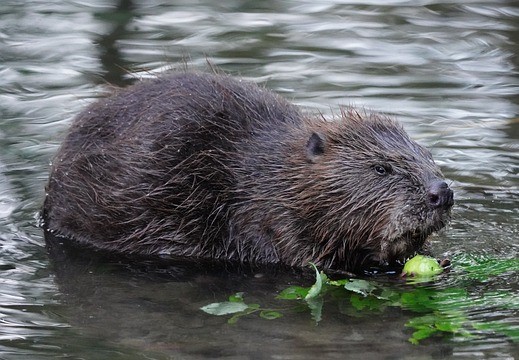
Bringing Back Nature's Engineers: Beaver Reintroduction in the UK For centuries, beavers were absent from the UK's landscapes due to hunting and habitat loss. A movement to reintroduce these industrious creatures is making exciting progress and we could be spotting more of them in the wild soon! Why Reintroduce Beavers? Beavers are often referred to as “nature’s engineers” for their remarkable ability to build dams and create wetland habitats. Their activities slow water flow, reduce flooding risks, and enhance biodiversity. Wetlands formed by beavers provide homes for countless species of plants, birds, insects, and aquatic life—transforming degraded landscapes into thriving ecosystems.Moreover, beavers play a crucial role in combating climate change. By storing water and increasing carbon sequestration in wetlands, they help mitigate the effects of droughts and rising temperatures. Reintroducing beavers isn’t just about nostalgia; it’s about restoring balance to nature. The UK's Journey to Beaver Reintroduction Beaver reintroduction in the UK began as a small but ambitious initiative. In 2009, the Scottish Beaver Trial...
Read More
Why is holly (not always) prickly?

Why is holly (not always) prickly?

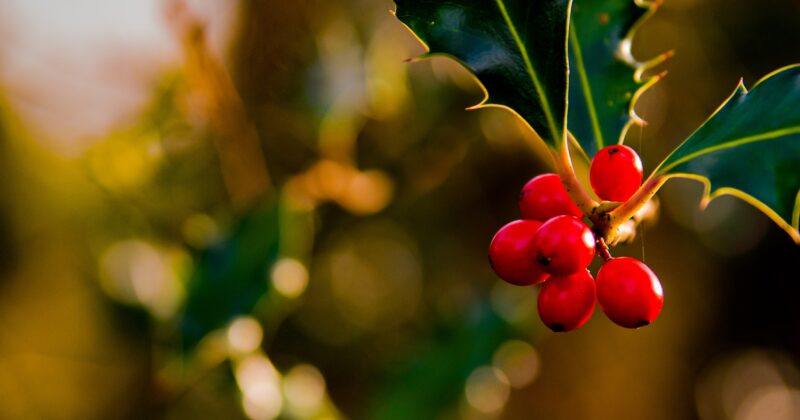
Have you ever wondered why holly leaves are prickly? A study by Herrera and Bazaga (2012) looked into the very interesting link between mammalian browsing and the European holly tree (Ilex aquifolium) defensive response of producing prickly leaves. Research has already taken place to suggest this link, with this particular study looking into a “three-way link between herbivory, phenotypic plasticity and epigenetic changes in plants.”We should probably start by looking at the definitions of some of the terms used:Epigenetics: this is the study of how the way your genes work can be changed by behaviours and the environment without any changes to DNA sequences.Plasticity: the ability to adapt to environmental or habitat changes.Phenotype: an observable trait or characteristic, for example, eye colour.Phenotypic plasticity: when an organism is able to produce different phenotypes in response to environmental changes.Heterophylly: where environmental conditions can cause significant variation in leaf shape or form on a single plant.DNA methylation: an epigenetic change where methyl groups are...
Read More