Coral Reefs Under Siege: What Humanity Has Done, What We Stand to Lose, and How Science Is Fighting Back

Coral Reefs Under Siege: What Humanity Has Done, What We Stand to Lose, and How Science Is Fighting Back

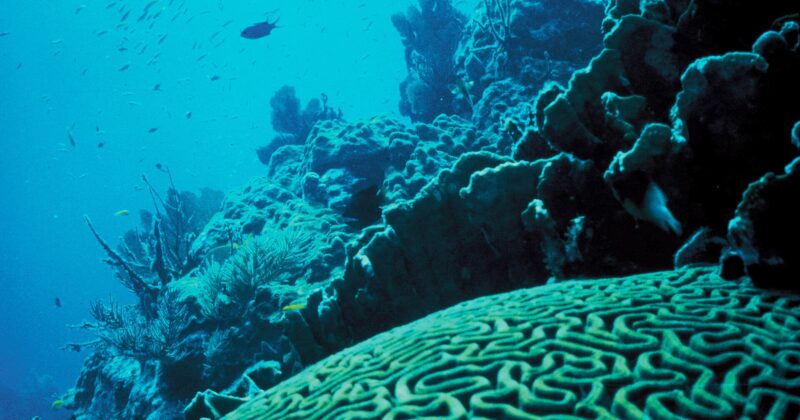
Coral reefs are among the most biodiverse ecosystems on Earth. Although they cover less than 1% of the ocean floor, they support an estimated 25% of marine species, help protect coastlines, sustain fisheries and contribute substantial economic value worldwide. Yet coral reefs are under increasing pressure. Recent reporting in Nature examines the accelerating coral reef crisis and experimental approaches scientists are exploring to improve reef resilience. For organisations such as chXout, where biodiversity monitoring and species identification are central themes, coral reefs are an important example of why accurate ecological evidence matters. What Exactly Are Coral Reefs? Corals are animals belonging to the phylum Cnidaria and are related to jellyfish and sea anemones. Reef-building corals form colonies of small polyps that secrete calcium carbonate skeletons, which accumulate over long periods to form reef structures. Many reef-building corals depend on a close relationship with photosynthetic algae living within their tissues. The algae provide energy through photosynthesis, while the coral provides shelter and nutrients. This partnership helps create...
Read More
The Stone Curlew: Britain’s Ghost Bird and Why Its Future Matters

The Stone Curlew: Britain’s Ghost Bird and Why Its Future Matters

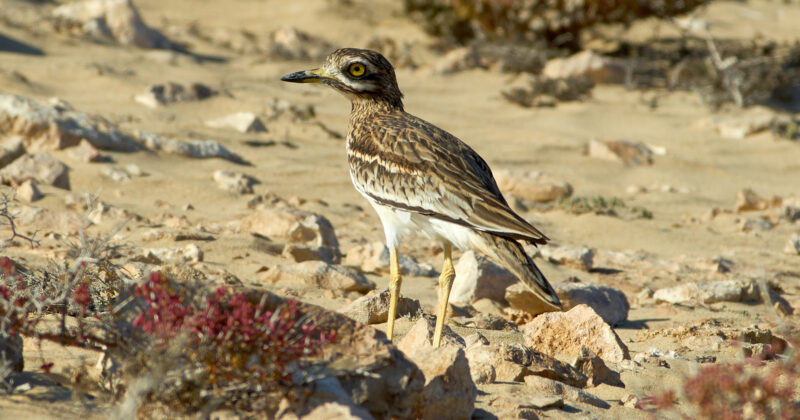
From the windswept heathlands of Suffolk and Norfolk comes one of Britain's most remarkable conservation stories. The stone curlew, a bird that was once close to disappearing from the UK, has become a symbol of how science, habitat protection and careful land management can bring a species back from the brink. Yet recent events show that its future remains far from secure. Recent media coverage has highlighted concerns about proposals to develop land at the former RAF Barnham site in Suffolk, which lies within the internationally protected Breckland Special Protection Area. Conservation concerns centre on the presence of breeding stone curlews, one of the UK's most endangered and closely protected bird species. The area is reported to support more than 200 breeding pairs, and habitat regulations restrict development near their nesting sites because of their exceptional conservation importance. Read the referenced report. For most people, the stone curlew is a bird they have never seen. Yet it is one of the most...
Read More
Asian Hornets in the UK: A Growing Invasive Threat

Asian Hornets in the UK: A Growing Invasive Threat

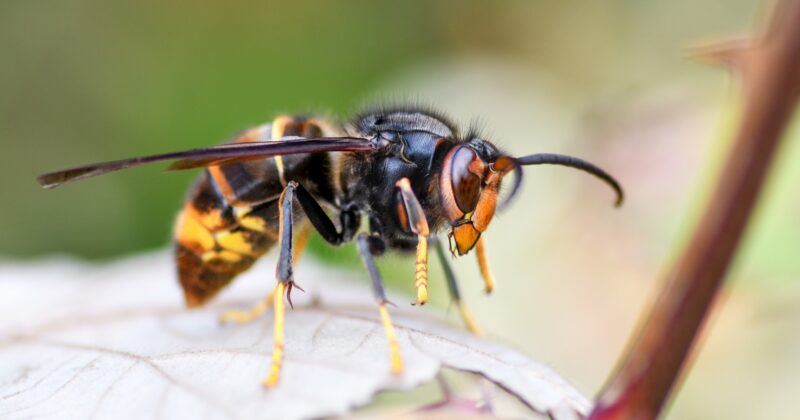
The arrival of the Asian hornet (Vespa velutina), also known as the yellow-legged hornet, has become one of the UK’s most significant invasive species challenges. Originally from Southeast Asia, the species has spread rapidly across continental Europe since its accidental introduction into France in 2004. UK authorities continue to battle incursions before the species becomes fully established. According to the RSPB and the National Bee Unit, continued vigilance remains essential. How Did Asian Hornets Reach the UK? The evidence suggests these hornets expanded naturally across Europe while also hitchhiking in shipping containers, vehicles, camping equipment, produce, and other commercial goods. The first confirmed mainland UK sighting occurred in Gloucestershire in 2016, triggering a rapid response from the UK’s National Bee Unit. Since then, authorities have recorded numerous individual sightings and nests, particularly in southern England. Despite repeated incursions, government agencies maintain that Asian hornets are not yet established across mainland Britain, thanks largely to intensive surveillance and nest destruction programmes. Further information is available from...
Read More
Could a chicken change sex?

Could a chicken change sex?

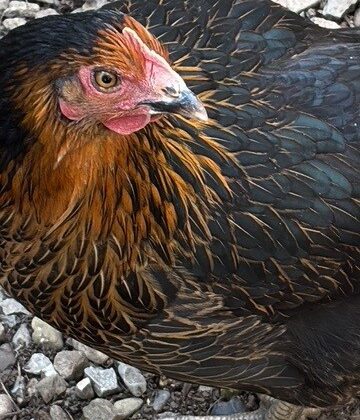
We are very proud of our chickens, who provide endless hours of amusement and, indeed, affection. Recently, one of our hens started making unusual squawking noises. During conversations with fellow chicken enthusiasts, we were told something that surprised us: apparently, hens can change sex. Having never heard of this before, we decided to investigate the science behind the claim. Can a Hen Really Change Sex? The short answer is not exactly. A hen can sometimes develop male characteristics if her only functioning ovary becomes damaged or stops working. In chickens, only the left ovary normally functions in egg production, while the right gonad remains largely undeveloped. If the left ovary is damaged, for example through age-related degeneration, the dormant right gonad can begin producing male hormones. As a result, a hen may begin to display characteristics that are typically associated with a cockerel. Signs of a Sex-Reversed Hen When this occurs, a hen may: Grow a larger comb and wattles Develop long saddle and hackle feathers similar to those of a...
Read More

Decoding Bryophytes: Earth’s Green Carpet  

Meet the Bryophytes Whilst many of us are familiar with the fungi, bryophytes often go unnoticed. This ancient class of non-vascular plants is made up of three contenders – mosses, liverworts and hornworts. Forming soft green layers upon the forest floor, rocks and tree trunks, these species are vital to building and maintaining a healthy ecosystem. However, due to their size, and subtle morphological features, species recognition has long been a challenge.   Consisting of over 20,000 species, it’s no wonder bryophytes can be hard to differentiate! DNA barcoding allows accurate species-level identification, with only the smallest amount of sample. It opens a new window of opportunity for foragers and scientists alike to delve deeper into the world of bryophytes. Calypogeia muellerina under a microscope, by Loup-Anne via Wikimedia Commons, CC-BY-4.0 Liverworts, Hornworts and Mosses These plants thrive where others cannot, colonizing a range of environments from bare rock to lush forest. Bryophytes are involved in primary succession and initiation of ecosystems, so must be hardy enough to survive in challenging conditions – see our earlier blog post on mosses and lichens to learn more about this! Liverwort Marchantia...
Read More

Protect our Pollinators: Identifying the UK’s Bee Populations

The Humble Bee The UK is home to more than 250 species of bee, ranging from honeybees to bumblebees and the lesser-known solitary bees. Together they play an essential role in the maintenance of biodiversity and functioning of our ecosystems. Unfortunately, a combination of habitat loss, pesticides and climate change are contributing to the startling decline in our bee populations.  Understanding the humble bee’s role in our world is paramount to their protection. With such a diversity of species comes a wide range of specialities. However, many species appear remarkably similar, making it near impossible to differentiate between them. This is where species identification becomes crucial, allowing us to understand which species are present, and how to best protect them. Become the Bee's Knees in Species ID... Bumblebees, like Bombus terrestris are the classic fluffy fliers you know and love. With their thick fur coat they can fly in cooler, low light conditions. For this reason, they can kick-start pollination in early spring, when many species are not yet active. Bumblebees carry out pollination across wildflowers, and a few crops, but their special...
Read More